Building a Strong Digital Presence: A Practical Guide for Modern Businesses
Let's be real—if your business can't be found online these days, you pretty much don't exist. Think about it: before buying anything, don't we all search online first, check out reviews, and scroll through social media? Your customers do the same thing. They'll research you before ever stepping through your door, and if they can't find you or your website looks sketchy, they'll probably just head straight to your competitor.
Your "digital presence" is basically how your business shows up across the internet—your website, whether people can find you in searches, your social media activity, customer reviews, and all the online content that represents your brand. When it's done right, it's like having a tireless employee working 24/7, attracting customers and building trust even while you're sleeping.
Step 1: Get Your Website Right
Your website is your online storefront and usually the first impression people get of your business. A good website doesn't need to be fancy, but it absolutely needs to make things crystal clear: what you do and why someone should choose you. It should load fast, look good, and be easy to navigate—don't make people hunt around forever just to find your contact info. And here's the thing: everyone's browsing on their phones now, so if your site looks like a mess on mobile, potential customers will bounce after one glance.
Beyond just working properly, your website needs some personality. Real photos, your brand story, customer testimonials, and answers to common questions all help visitors feel like you're a legit, trustworthy business with actual humans behind it—not just some cold, impersonal webpage.
Step 2: Make Sure People Can Actually Find You (SEO)
Once your website looks good, the next challenge is getting people to discover it. That's where search engine optimization (SEO) comes in. Basically, you need to figure out what words and phrases your customers use when searching for what you offer, then naturally work those into your website content. When someone searches on Google, your site has a better shot at showing up near the top.
SEO also involves some behind-the-scenes technical stuff—making sure your site is secure, loads quickly, and has a solid structure. If you're a local business, definitely set up your Google Business Profile so you'll pop up in map results when people search for nearby services. SEO isn't a one-and-done thing either; it requires ongoing updates to keep your content fresh and stay on top of changing search trends.
Step 3: Work Your Social Media
Social media is where you get to build real relationships with customers. Platforms like Facebook, Instagram, LinkedIn, and TikTok let you show the authentic side of your brand. Choose your platforms based on your industry and where your customers actually hang out—if you're B2B, LinkedIn might be your sweet spot; if you're selling lifestyle products, Instagram or TikTok could be more effective.
The key is posting regularly and staying active. Share behind-the-scenes glimpses, helpful tips, customer success stories—stuff that shows the people and values behind your brand. Keep your vibe consistent with your website. When followers feel a genuine connection with you, they don't just stick around—they actively recommend you to their friends.
Step 4: Create Content That Actually Helps People
Content marketing is about attracting customers with useful information rather than just pushing ads at them. Write blog posts, make tutorial videos, create infographics or case studies that help people solve real problems and make smart decisions. This approach builds trust way better than traditional advertising ever could.
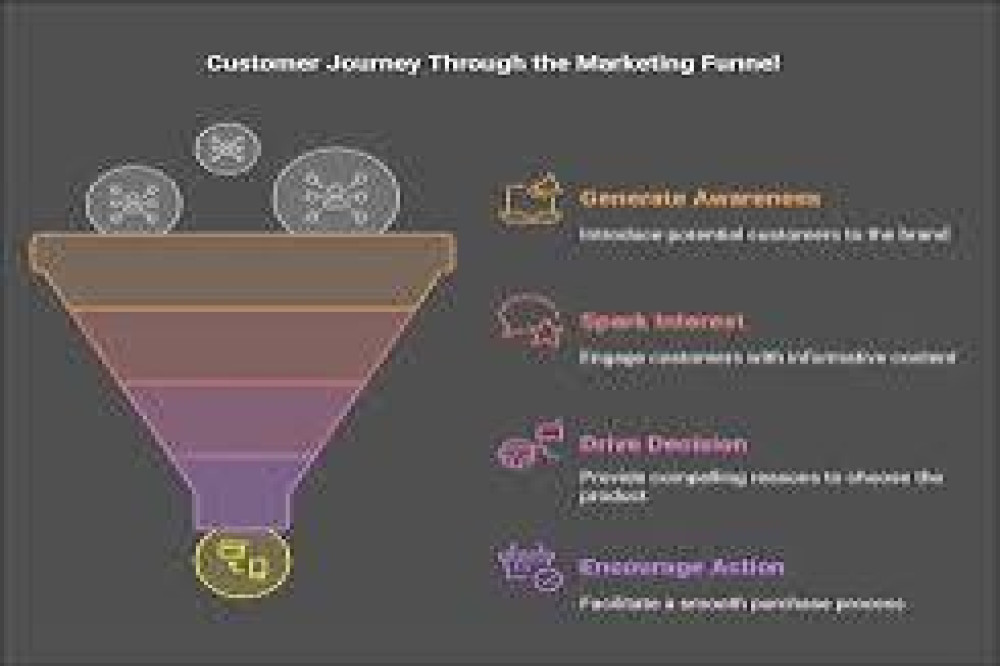
Plus, quality content boosts your SEO because it answers the questions people are searching for, giving search engines more signals that your site is relevant. Share unique insights or data that sets you apart from competitors, and give visitors reasons to keep coming back. Good content supports customers through their entire decision-making journey—from initial awareness to careful consideration to finally making a purchase.
Step 5: Manage Your Online Reputation
People trust other customers more than they trust your marketing. A business with glowing reviews versus one with complaints makes a huge difference. Even a single negative review can hurt if you don't handle it properly. Monitor feedback closely, respond quickly, and encourage happy customers to share their experiences. How you deal with criticism also says a lot about your values and service quality.
Online reviews show up everywhere—search results, social media, map listings—they're super visible to potential customers. Actively managing your online reputation ensures people see your real strengths and feel confident choosing you.
Step 6: Track What Works and Keep Improving
The beauty of digital marketing is you can measure everything. Analytics tools show you what's working and what needs tweaking. Track user behavior, engagement rates, search rankings, and conversion metrics to understand how customers respond to your efforts. These insights help you make smarter decisions and continuously optimize your content, design, and strategy.
The digital world moves fast—platforms evolve, technology changes, customer expectations keep rising. Successful brands adapt quickly, keep investing in improvements, and stay alert to new opportunities. You need both consistency and flexibility to stay relevant in a competitive digital landscape.
Bottom Line
A strong digital presence is a massive competitive advantage today. It helps you reach the right customers, prove your credibility, and grow your business. Building this presence takes effort across several areas: creating a solid website, boosting search visibility, staying active on social media, producing valuable content, maintaining a positive reputation, and constantly analyzing your performance data.
When all these pieces work together, your business becomes easier to find, more trusted, and better positioned to succeed online. The digital world changes quickly, but with a thoughtful, sustained strategy, any business can build a digital presence that drives long-term success. The key is simple: keep showing up, keep improving, and keep connecting with the audiences that matter most.